

Selecting the right gynaecologist is an important decision, particularly when you need treatment for menstrual problems, PCOS, endometriosis, pelvic pain, fibroids, or fertility concerns. Women looking for the best gynaecologist in Delhi may consider the doctor's clinical experience and expertise in managing their specific condition, the range of treatment options available, and the quality of communication during consultations. Many patients searching for the best gynecologist in Delhi also look for a clinic that offers accurate diagnosis, transparent treatment planning, and ongoing support throughout their care.
At Laimaa Fertility, gynaecological care is integrated with reproductive health and fertility services, allowing women to receive evaluation and treatment based on their individual needs. For women living in South Delhi, having access to an experienced gynaecologist in South Delhi can also make regular consultations, monitoring, and follow-up care more convenient.
Gynecology Care Across Different Stages of a Woman's Life
Women's healthcare needs can change significantly throughout different stages of life. Regular gynecological care may be important during adolescence and the reproductive years, while preconception planning, pregnancy-related concerns, and menopause may require different approaches to care and treatment. A gynecologist can provide appropriate evaluation and guidance based on a woman's age, health, symptoms, and individual needs.
Common concerns are:
- Painful or infrequent periods
- Abnormal or heavy menstrual bleeding
- PCOS and hormonal issues
- Endometriosis
- Fibroids and Adenomyosis
- Pelvic pain
- Reproductive health or vaginal concerns
- Recurrent loss of a pregnancy
- Gynecological issues related to fertility
- Preconception counseling
- Menopausal and perimenopausal issues
A female gynecologist in Delhi may also be a preferred choice for women who feel more comfortable discussing sensitive concerns related to reproductive health, menstrual problems, or sexual health in a private and supportive environment.
Meet the Best Gynecologist in Delhi at Laimaa Fertility
Laimaa's gynecology team includes specialists with experience in both minimally invasive procedures and medical management of gynecological conditions, providing care based on each patient's individual needs. Patients often describe this combination of expertise as what they expect from the best gynecologist in Delhi.
Dr. Akanksha Chauhan is a Senior Infertility Specialist and Gynecological Laparoscopic Surgeon. Her clinical areas of interest include endometriosis, diminished ovarian reserve, fibroids, thin endometrium, recurrent pregnancy loss, and male-factor infertility. Her surgical expertise includes laparoscopy and operative hysteroscopy, which may be used in selected cases to manage conditions such as fibroids, endometriosis, tubal disorders, and certain uterine abnormalities.
Dr. Mamta Chahar is a Senior Fertility Specialist and Gynecological Laparoscopic Surgeon. Her areas of expertise are PCOS, endometriosis and fibroids, adenomyosis, AMH, tubal obstruction, repeated implantation failure, pregnancy loss, as well as undiagnosed infertility. She also offers care that involves the induction of ovulation, IUI, IVF, fertility preservation, hysteroscopy, and laparoscopy.
For women comparing a top gynaecologist in South Delhi, it can be helpful to look beyond a doctor's name or ranking. Consider the doctor's experience in managing your specific condition, their approach to diagnosis and treatment, the range of treatment options available, and their ability to clearly explain these options. These factors can help you make a more informed decision about your gynecological care.
Gynecological Conditions We Evaluate and Treat
Gynecological issues can cause overlapping symptoms, which is why it is crucial to conduct a thorough assessment before deciding on the best treatment. This thorough, individualized approach is central to how the best gynecologist in Delhi evaluates each patient.
PCOS and Menstrual Disorders
PCOS may be associated with irregular menstrual cycles, problems with ovulation, acne, excess facial or body hair, and difficulty conceiving. Treatment is based on the individual's symptoms, reproductive goals, metabolic health, and overall medical history. A personalized treatment plan can help address the specific concerns and health needs of each patient. Persistent menstrual irregularities or unusually heavy menstrual bleeding should be evaluated by a healthcare professional rather than being assumed to result from normal hormonal fluctuations.
Endometriosis
Endometriosis may cause painful periods, chronic pelvic pain, pain during intercourse, and difficulties with fertility. Depending on the severity of symptoms and the individual's reproductive goals, treatment may include medication, fertility planning, symptom monitoring, or minimally invasive surgery when clinically appropriate.
Fibroids and Adenomyosis
Fibroids are benign growths that develop in or around the uterus. Depending on their size and location, they may cause heavy menstrual bleeding, pelvic pressure or pain, and fertility-related concerns. Adenomyosis can also contribute to heavy or painful periods. Treatment depends on factors such as symptom severity, the condition's size and location, the patient's age, overall health, and plans for future pregnancy.
Recurrent Pregnancy Loss and Fertility-Related Concerns
When recurrent pregnancy loss occurs, evaluation may include an assessment of uterine anatomy, hormonal factors, genetic factors, and other relevant medical conditions that may contribute to pregnancy loss. A gynecological evaluation can also play an important role in assessing infertility associated with conditions such as endometriosis, fibroids, tubal disorders, or ovulatory problems.
Laparoscopy and Hysteroscopy for Selected Gynecological Conditions
Certain gynecological disorders may require minimally invasive treatment for diagnosis or therapy. Laparoscopy uses a tiny camera inserted through small abdominal incisions to examine structures like the uterus, ovaries, and fallopian tubes. It is effective for managing endometriosis, fibroids, adhesions, and tubal problems.
Hysteroscopy allows a doctor to examine the inside of the uterus using a thin, lighted camera called a hysteroscope, which is inserted through the cervix. Depending on the findings, hysteroscopy can be used for both diagnosis and treatment of certain uterine conditions, such as uterine adhesions, polyps, and other structural abnormalities. These procedures aren't required for all patients. The necessity for surgery must be assessed following a thorough evaluation.
Preconception and Fertility-Linked Gynecology Care
Fertility and gynaecological health are closely connected. Conditions such as PCOS, fibroids, endometriosis, adenomyosis, tubal blockage, and diminished ovarian reserve may affect reproductive health and fertility planning. Identifying and appropriately managing these conditions can help guide treatment decisions based on the individual's reproductive goals.
Women who are planning to become pregnant could benefit from a preconception appointment to examine menstrual cycles and medical history, as well as medications, previous pregnancies, and other relevant tests. When fertility treatment is needed, gynecology and fertility specialists can work together to determine whether options such as ovulation induction, intrauterine insemination (IUI), in vitro fertilization (IVF), or other treatments may be appropriate based on the individual's fertility assessment and reproductive goals. This holistic approach can be particularly beneficial for women seeking an appointment with a female gynecologist in Delhi and assessing future fertility.
What Happens During Your First Gynecology Consultation?
The first appointment isn't necessarily about initiating treatment right away. The goal is to understand your concern and determine whether you need further evaluation.
A typical gynecology consultation may include:
- Discussion of Symptoms: Your menstrual cycle, bleeding patterns, pelvic pain, reproductive concerns, and other symptoms are discussed in detail.
- Medical History: The doctor reviews your previous surgeries, pregnancies, medications, existing medical conditions, and relevant family or reproductive history.
- Physical Examination: Depending on your symptoms and clinical concerns, the doctor recommends a physical or pelvic examination.
- Diagnostic Investigations: Blood tests, ultrasound scans, or other investigations are advised when clinically appropriate to help identify the underlying cause.
- Treatment Discussion: The doctor discusses the possible causes of your symptoms and explains the available treatment options based on your individual condition and needs.
- Monitoring and Follow-Up: Depending on the findings, the doctor recommends further monitoring, medications, and procedures.
Bringing previous scan reports, test results, medication details, and information about earlier treatments can help the doctor review your medical history more effectively and make the consultation more efficient.
How to Choose the Best Gynecologist in Delhi
If you are looking for the best Gynecologist in Delhi, consider factors that match your health needs rather than relying solely on online reviews.
When choosing a gynecologist, consider the following:
- Experience with your specific condition and relevant clinical concerns.
- Appropriate medical and surgical qualifications for the care you may require.
- Access to relevant diagnostic services and investigations.
- Experience with minimally invasive procedures, when clinically indicated.
- Clear communication about diagnosis, treatment options, and expected outcomes.
- Willingness to discuss alternatives, including the potential benefits, risks, and limitations of each option.
- Convenient access for follow-up visits, particularly when ongoing monitoring is required.
- A comfortable consultation environment where you feel free to discuss your concerns and ask questions openly.
For women living in South Delhi, choosing an experienced top gynecologist in South Delhi can also make regular monitoring, follow-up appointments, and multiple consultations more convenient.
Comfortable, Private and Individualized Women's Healthcare
Gynecological issues can be difficult to talk about. Pelvic pain, period problems, vaginal signs, sexual health issues, infertility, loss of pregnancy, and menopausal symptoms are all topics that patients may find private or uncomfortable.
Because of this, some women prefer a female Gynecologist who will let them speak freely about their concerns. At Laimaa Fertility, consultations focus on understanding the patient's concerns, presenting relevant findings, and discussing appropriate options, as not every patient is the same. The program aims to provide relevant, comfortable, personalized gynecological care that aligns with each woman's health needs and personal goals — the qualities patients most often associate with the best gynecologist in Delhi.
Why Consider Laimaa Fertility for Gynecology Care?
Laimaa Fertility provides gynecology, fertility, embryology, and other reproductive health services under one roof. This integrated approach can be particularly helpful when a gynecological condition may affect fertility or pregnancy planning, allowing patients to receive coordinated evaluation and care based on their individual needs.
Laimaa Fertility provides gynecological services at its Delhi clinics in Greater Kailash Part II and Mayur Vihar Phase 3, offering assessment, treatment, and follow-up care based on each patient's individual needs.
For women looking for the best gynecologist in Delhi, it is important to choose a specialist whose experience and expertise align with their individual health needs. An experienced gynecologist provides a thorough evaluation, clearly explains available treatment options, and recommends an appropriate treatment plan based on the patient's condition and goals.
Gynecologist — frequently asked questions
Consider consulting a gynecologist for persistent menstrual irregularities, severe period pain, unusual or heavy bleeding, pelvic pain, symptoms of PCOS, fertility concerns, abnormal vaginal symptoms, or pregnancy planning.
Yes. Some fertility issues can be linked to gynecological disorders like PCOS, endometriosis, tubal disorders, fibroids, or problems with ovulatory cycles. A gynecological examination can identify these causes and help with further fertility treatment.
Laparoscopy may be considered in certain situations, such as suspected or confirmed endometriosis, pelvic adhesions, tubal disorders, or selected cases of fibroids. The decision to recommend laparoscopy depends on the patient's symptoms, clinical examination, diagnostic findings, fertility goals, and overall medical history.
Laparoscopy and hysteroscopy are both minimally invasive gynecological procedures, but laparoscopy examines the outside of the reproductive organs through small abdominal cuts, while hysteroscopy looks inside the uterus through the natural opening of the cervix.
Yes. A preconception consult can help review your menstrual health, medical history, medications, previous pregnancies, and other factors that could affect conception or pregnancy.
When choosing a gynecologist, consider the doctor's qualifications, experience in managing your specific condition, treatment expertise, access to relevant diagnostic facilities, and availability for consultations and follow-up care.
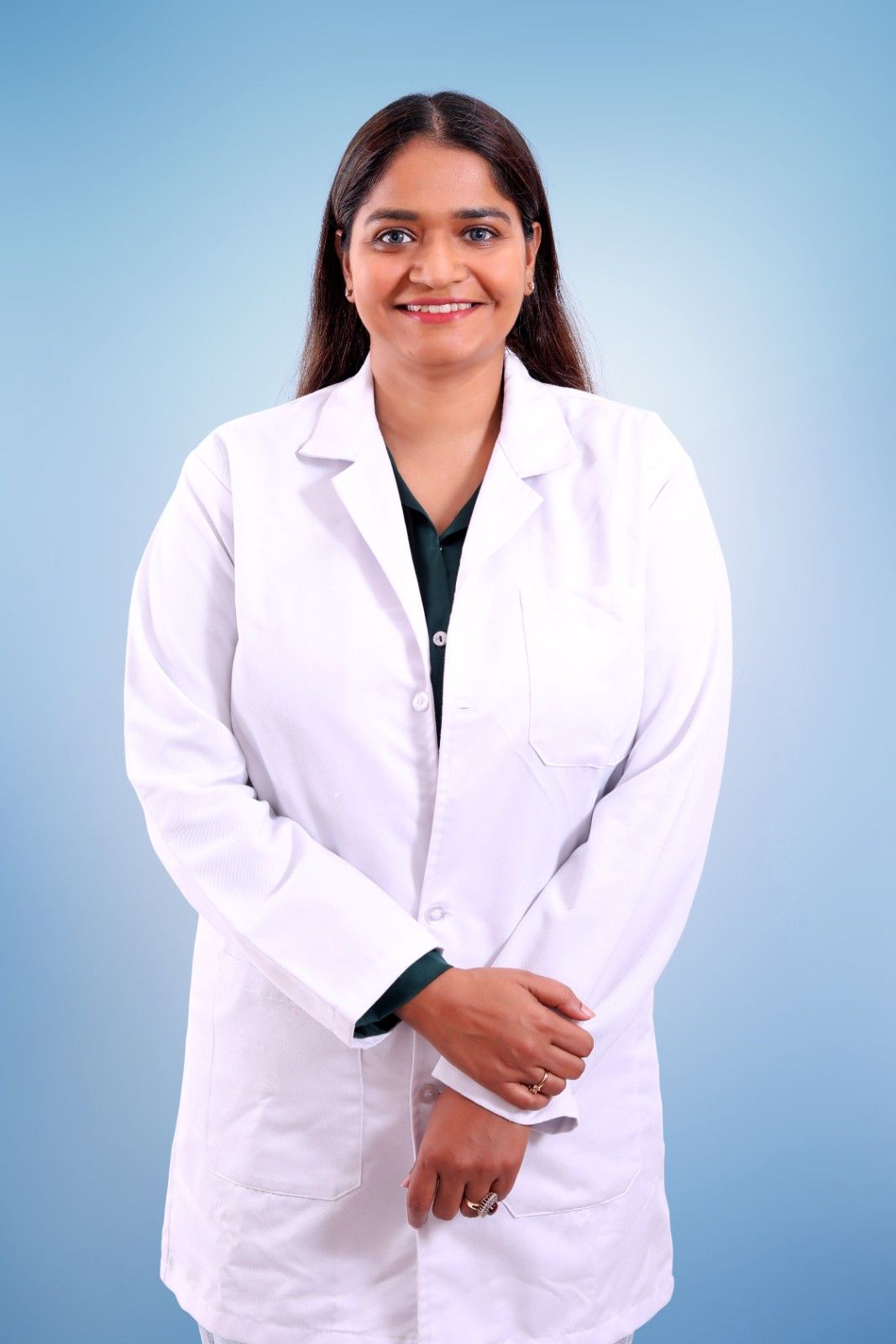
Medically reviewed by Dr. Akanksha Chauhan — IVF & Infertility Specialist
MBBS, MS. Last reviewed 29 September 2026.
Talk to a fertility specialist about Gynecologist
Every plan starts with a diagnosis, not a package.